



Blog
Healthcare buyers are often forced to choose between two compromises: a trolley ultrasound machine that covers more applications but difficult to move, or a small portable device that travels easily but may restrict screen space, probe readiness or advanced workflows. SonoGO is designed to close that gap with one adaptable portable ultrasound system.
It’s 3-in-1 concept is not a reference to 3D or 4D imaging, and it does not mean three separate devices in one shell. It describes three ways of working on the same platform.
• Tablet-style interaction: a 15.6-inch full-touch display gives direct access to imaging, presets, measurements and workflow tools.
• Laptop mobility: at 4.8 kg, with a 25-seconds boot-up, 2-second wake up and 120 minutes of battery operation, SonoGO can move between different rooms and clinical settings.
• Trolley-ready workflow: three probe connectors support faster transition between examinations and a wider range of applications.
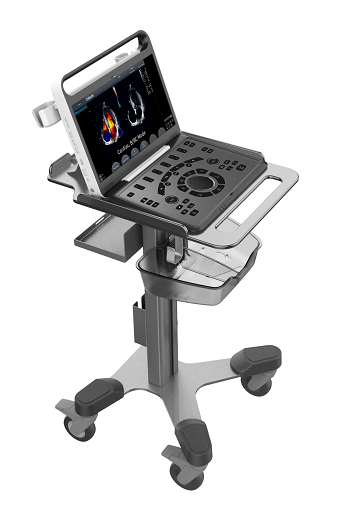

Point of care ultrasound (POCUS) is valuable because imaging can be performed where clinical decisions are being made. Portability alone, however, is not enough: appropriate probes, documentation, training and quality assurance remain essential parts of a reliable POCUS service.[1]
SonoGO addresses the location problem through a compact format, battery operation and rapid access. Clinicians can use the same portable ultrasound machine for bedside diagnosis in emergency and critical care, outpatient clinics, mobile services and field work, subject to the selected probes, configuration and local protocols.
A device that is easy to carry but limited to one department may simply move the equipment gap from one place to another. SonoGO is designed to support focused point-of-care questions and broader examinations across reproductive medicine, obstetrics, cardiac, vascular, thyroid, musculoskeletal and general imaging workflows.
Ultrasound monitoring remains central to ovarian stimulation, while follicle size must be interpreted as part of a multifactorial clinical decision.[4] Auto Follicle assists in follicular monitoring by automatically calculating follicle size and reports measurements on screen, reducing repetitive caliper placement and making review more structured.
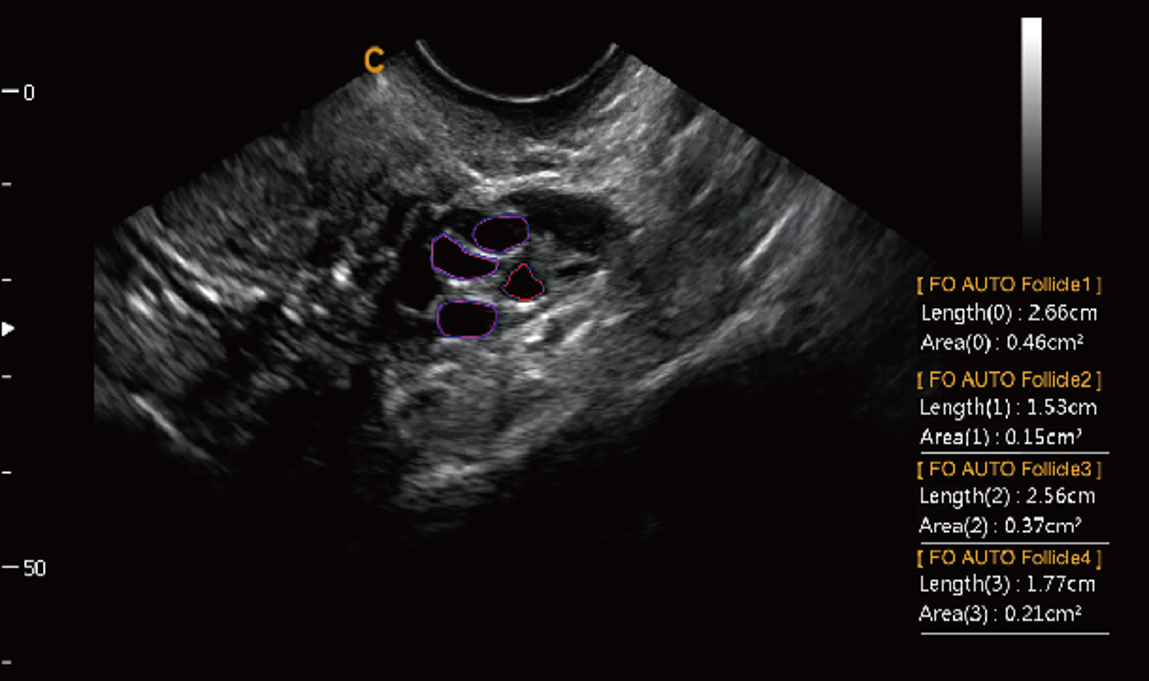
Figure 1. Real SonoGO system showing automated follicle identification and measurements. [4]
For obstetric imaging, Virtual HD adds surface rendering to support visualization. Three-dimensional imaging is an adjunct to, not a replacement for, the standard 2D anatomical examination described in professional guidelines.[6]
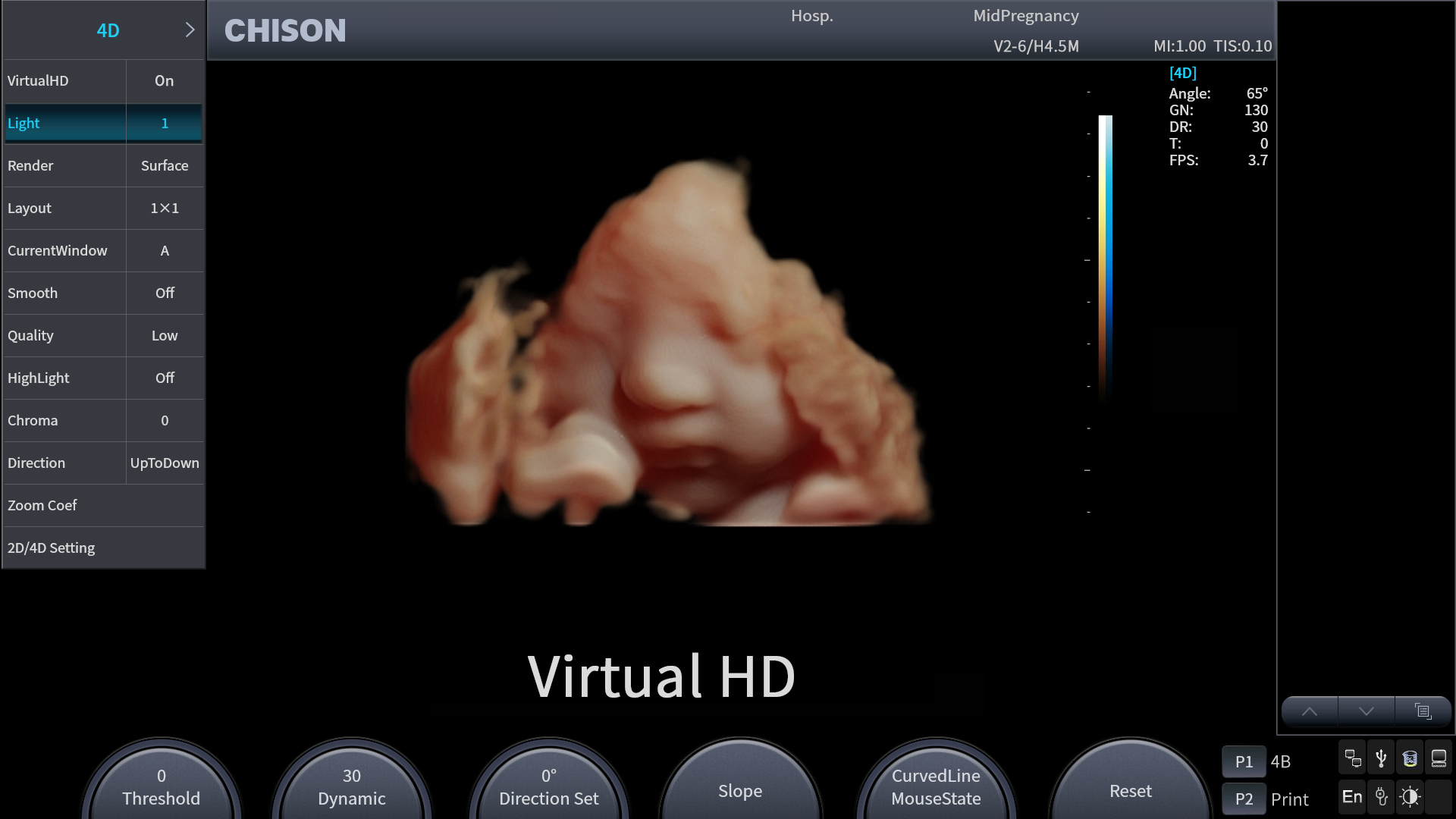
Figure 2. SonoGO interface example of Virtual HD fetal surface rendering. 3D/4D rendering should be interpreted alongside the required 2D obstetric examination.[6]
Cardiac and vascular questions often require color flow and spectral information rather than a single image. The American Society of Echocardiography notes that color Doppler is integrated with the 2D image and must be interpreted in that anatomical context.[2] Side-by-side B-mode and color flow, multi-point SonoPW sampling, automated IMT measurement and a structured wall-motion interface help organize those tasks on one system.
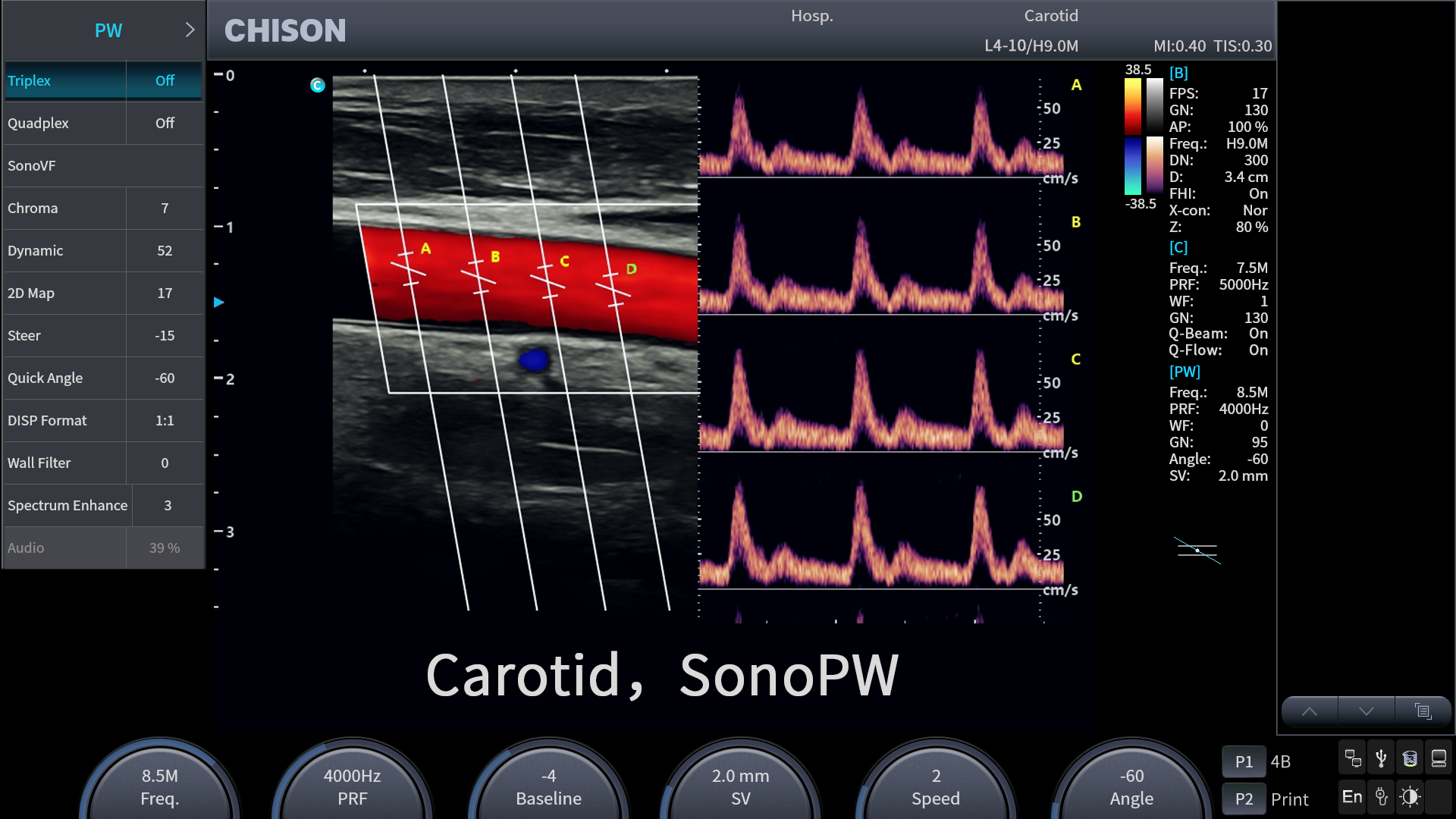
Figure 3. Carotid SonoPW example with four sampling positions and corresponding pulsed-wave spectra.
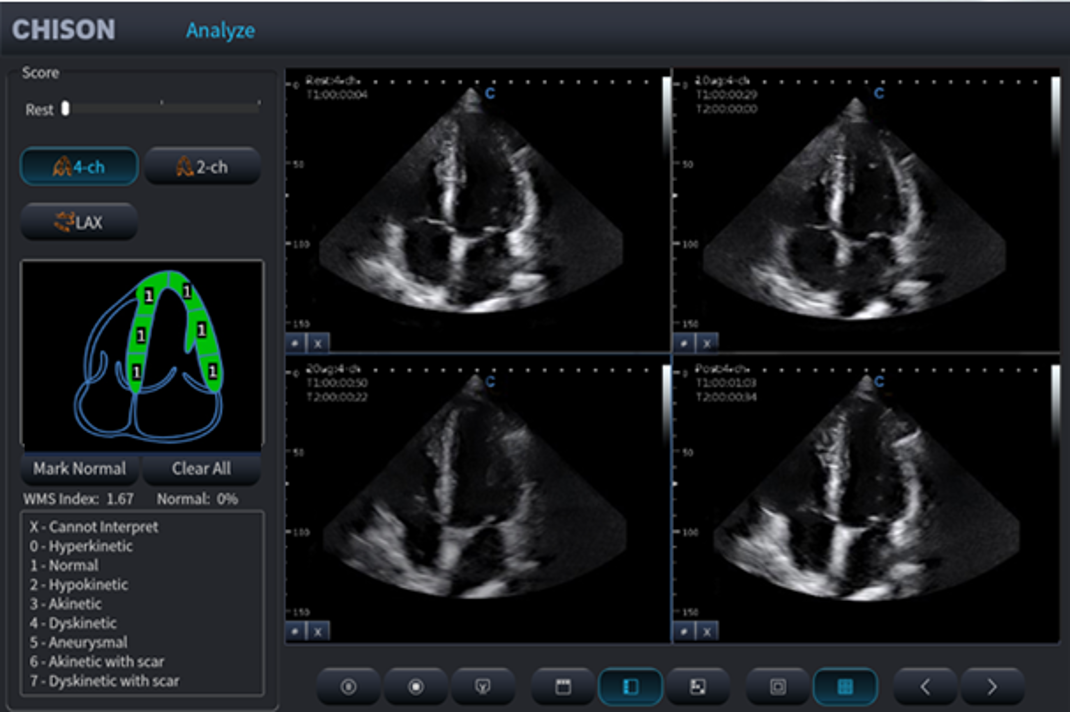
Figure 4. Assisted wall-motion scoring interface organizing standard apical views and segment review.[2]
Small-parts imaging depends on high-frequency detail, careful technique and structured reporting. Microvascular imaging can add vascular information to grayscale thyroid anatomy, but it remains an adjunct rather than a standalone diagnostic result.[7] Musculoskeletal ultrasound also benefits from orthogonal views and, in many examinations, dynamic maneuvers.[5] SonoMSK guidance and panoramic imaging help users orient anatomy and review a longer field of view.
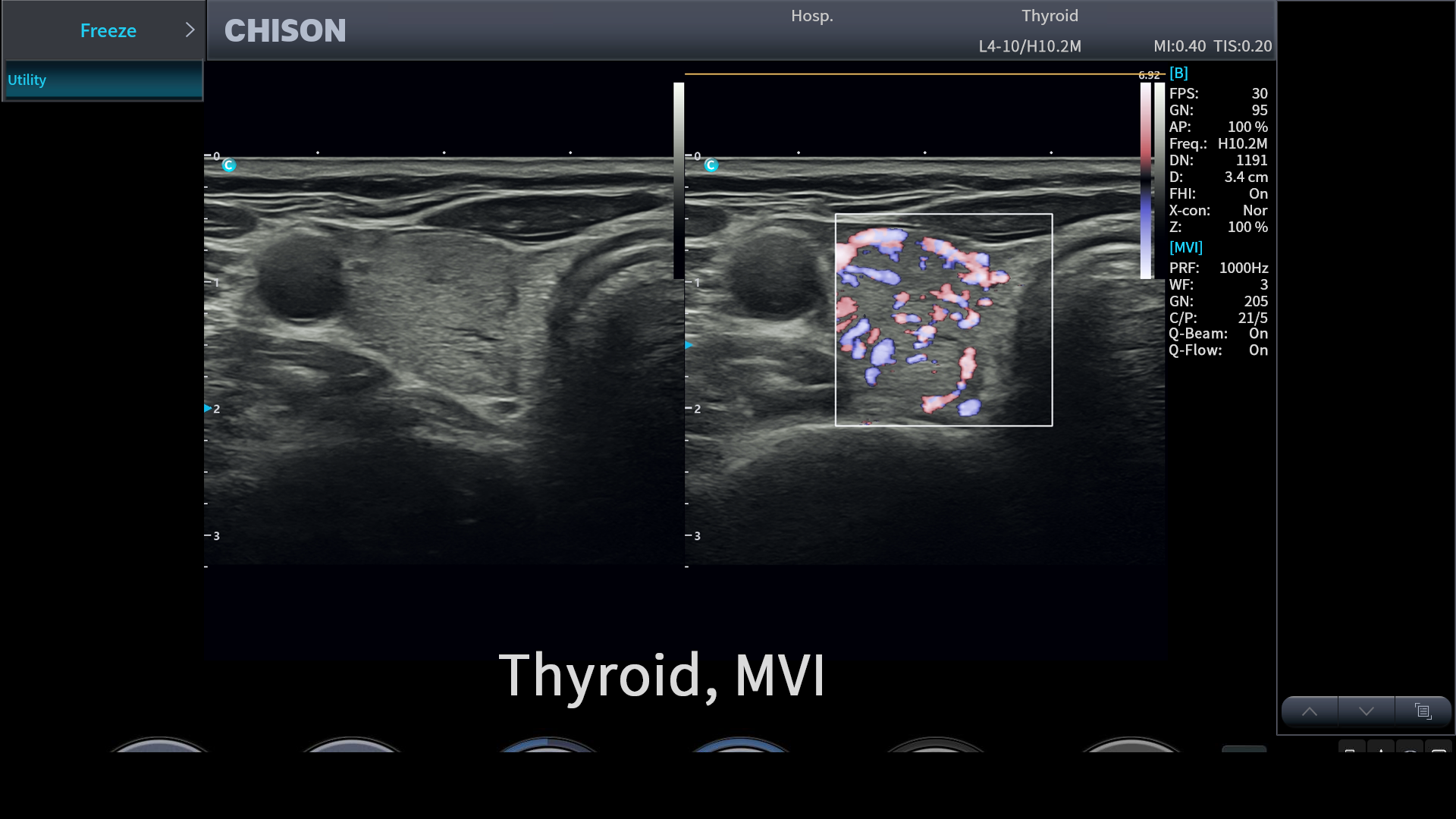
Figure 5. Thyroid B-mode and MVI displayed side by side. Vascular information should be interpreted with grayscale findings, patient history and the full examination.[7]
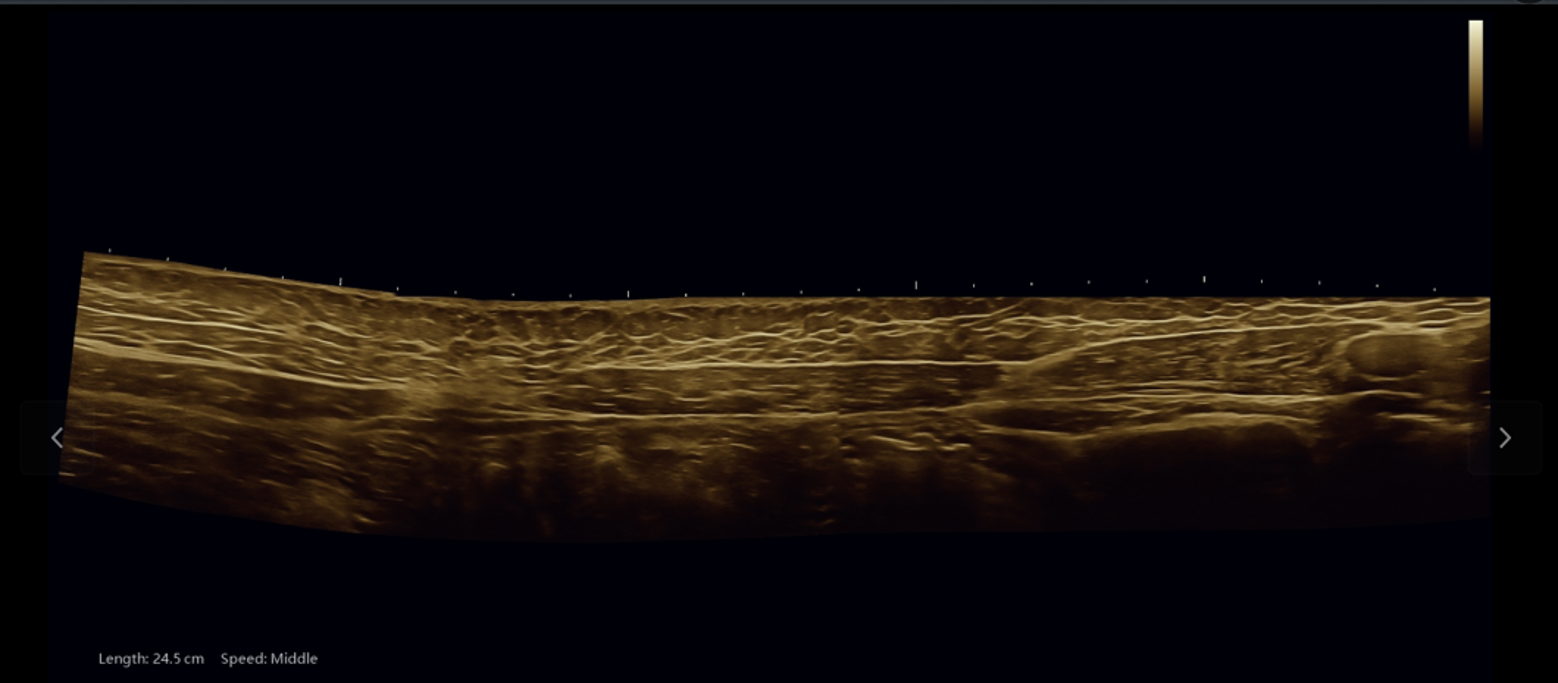
Figure 6. Extended field-of-view panoramic imaging across a 24.5 cm superficial segment, supporting anatomical review beyond a single conventional frame.
The useful role of an AI ultrasound machine is not to produce an autonomous diagnosis. It is to assist with repeatable tasks: Identifying sono-anatomy, placing or confirming measurements, organizing views and presenting results for review. Auto Follicle, Auto IMT, SonoPW, SonoMSK and application-specific analysis tools are designed around that principle.This can reduce avoidable manual steps and keep the examination moving.
When each department uses a different device and interface, training and quality control become fragmented. A common full-touch workflow, specialty-dedicated presets, anatomical guidance and structured analysis can make cross-departmental adoption more consistent.
Purchase price is only one part of ultrasound value. Buyers also need to consider utilization, probe requirements, accessories, connectivity, training, service, cleaning, battery life and downtime. A 3-in-1 portable ultrasound machine can create value when one platform is genuinely shared across rooms, departments and clinical applications instead of sitting underused in a fixed location.
• Hospital departments that need to move ultrasound between rooms or share it across different specialties.
• Emergency, ICU, anesthesia and bedside teams using point of care ultrasound
• Outpatient clinics that need broader imaging capability without a permanently fixed trolley
• Mobile clinics, outreach programs, ambulances and field teams
• Healthcare networks seeking a common portable ultrasound system for multiple sites
• Clinical coverage: are the required applications, modes, measurements and probes included in the proposed configuration?
• Workflow: can users move from patient registration to image storage and reporting without unnecessary steps?
• Portability: can the system, probes and accessories move safely through the actual care environment?
• Connectivity: does it support the site's DICOM, PACS, reporting and data-security requirements?
• Evidence and governance: how will the site validate automated tools, train users and monitor quality?
• Total value: what are the costs of probes, accessories, service, training, cleaning and downtime?
SonoGO brings together tablet-style interaction, laptop mobility and trolley-ready workflows in one portable ultrasound system. It’s value is not that every clinician uses every feature. It’s value is that the platform can be configured around real clinical questions, moved to where imaging is needed and shared across more of the organization.
More Performance. Less Complexity. Greater Value. This Is SonoGO.
Explore SonoGO or contact CHISON to discuss the probes, software and workflow configuration that fit your clinical environment.
No. In SonoGO, 3-in-1 describes tablet-style interaction, laptop mobility and trolley-ready workflow capability. 3D and 4D are imaging modes used in specific applications.
No. It can support POCUS and bedside workflows, while the appropriate configuration can also cover reproductive medicine, obstetrics, cardiac, vascular, thyroid, musculoskeletal and general imaging.
No. They assist selected acquisition, measurement, display or review tasks. The qualified user remains responsible for image quality, interpretation, documentation and clinical decisions.

Contact Us
Copyright © CHISON Medical Technologies Co., Ltd. All Rights Reserved | Privacy and terms of use
Products: Vascular Ultrasound Machine MSK Ultrasound Machine Portable Ultrasound Device Portable Ultrasound Machine for Sale Portable Ultrasound Machines For Pregnancy Handheld Ultrasound For Pregnancy Handheld Veterinary Ultrasound Veterinary Ultrasound Machine Portable Vascular Ultrasound Livestock Ultrasound Machine

CHISON respects your privacy. We use cookies to make our site more personal and enhance your experience. Read our Private Policy to learn more about cookies and how to manage them. You agree to our use of these technologies when you visit our site.
We appreciate your feedback
We sincerely invite you to participate in our survey for helping us to improve our digital market.
*1.How fast does the website load?
*2.Does the products displayed on the website interest you?
*3.How easy is it for you to find the information you need?
4.What information or service do you suggest we can offer?

THANKS
Thank you for sharing your thoughts with us. We’re highly appreciated your every feedback.
Sorry!
THANKS
Thank you for sharing your thoughts with us. We’re highly appreciated your every feedback.
