



HOT NEWS
A portable ultrasound system can give your rehabilitation center faster access to real-time imaging information without depending on a fixed imaging department for every relevant patient case. Whether you manage an outpatient physiotherapy clinic, sports rehabilitation center, orthopedic recovery unit, hospital rehabilitation department, or mobile therapy service, your purchasing decision should begin with workflow needs rather than product size or price alone.
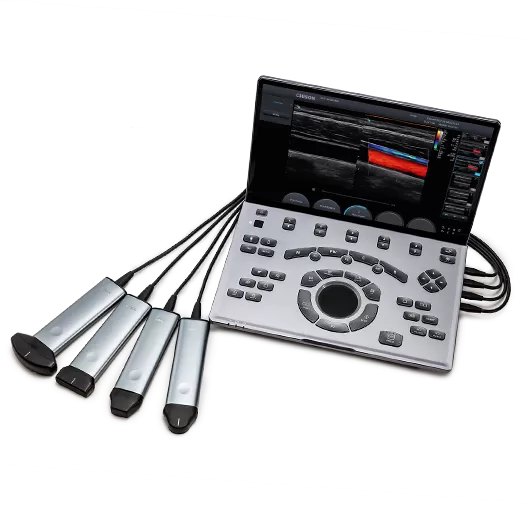
For rehabilitation applications, portable ultrasound may support qualified clinicians in observing muscles, tendons, ligaments, joints, and superficial soft tissues during assessment, treatment planning, progress monitoring, or referral decisions. Your selected system should match the anatomy you examine most often, the mobility needs of your patients, the skill level of your staff, and your documentation process.
The right portable ultrasound for rehabilitation centers should be easy to move, appropriate for your approved clinical scope, configured with suitable probes, and supported by reliable training and after-sales service.

Before comparing portable ultrasound suppliers or requesting quotations, define how your rehabilitation center will use the equipment. Avoid selecting a system based only on a sample image, screen size, or introductory price. Instead, prepare an application profile that reflects your daily workflow.
Start with your main patient groups. A sports rehabilitation facility may focus on muscle strains, tendon conditions, ligament injuries, and return-to-play follow-up. An orthopedic rehabilitation department may need support for post-operative recovery, joint mobility, muscle condition, and superficial soft-tissue observation. A physiotherapy clinic may require a compact system that can move efficiently between treatment rooms.
A portable musculoskeletal ultrasound system can be useful when rehabilitation teams need faster access to imaging information near the patient. Many patients in rehabilitation settings may have pain, limited mobility, recent surgery, or difficulty moving between treatment areas. A compact ultrasound system can reduce unnecessary movement and make assessment workflows more practical.
Common rehabilitation-related applications may include observing superficial muscle condition, comparing muscle thickness or symmetry, reviewing tendons and ligaments, supporting joint and soft-tissue assessment, and documenting changes during recovery programs. Portable ultrasound should be used alongside physical examination, patient history, clinical protocols, and referral pathways rather than as an isolated decision-making tool.
| Rehabilitation Setting | Main Portable Ultrasound Priorities |
| Outpatient physiotherapy clinic | Compact footprint, fast setup, linear probe, basic image storage |
| Sports rehabilitation center | Mobility, dynamic imaging, durable carrying protection, quick access |
| Hospital rehabilitation department | Data management, multi-user workflow, infection control, service coverage |
| Orthopedic recovery unit | Musculoskeletal image quality, repeat assessment tools, documentation |
| Mobile rehabilitation service | Lightweight design, battery operation, secure wireless connectivity |
Portable ultrasound includes several system formats. Your center may choose between handheld ultrasound, laptop-style portable ultrasound, and compact cart-based systems. Each format can serve rehabilitation use differently.
A handheld ultrasound device may suit services that need maximum mobility. It can be practical for sports rehabilitation, bedside review, mobile therapy, and treatment rooms with limited space. However, you should carefully review the display device, wireless connection, battery management, probe options, data security, and cleaning process.
A laptop-style portable ultrasound system can provide a more dedicated examination workflow. It may offer a larger display, physical controls, broader measurement functions, and more structured reporting while remaining easy to transport between rooms. This format can be a strong choice for rehabilitation centers that perform regular musculoskeletal examinations.
A compact cart-based ultrasound system may be preferable for hospital rehabilitation departments or multidisciplinary clinics with higher patient volume. It can provide a more stable workstation and allow faster access to several probes, but it requires more space and may be less suitable for off-site use.
Chison provides portable ultrasound, handheld ultrasound, and cart-based ultrasound product categories. This allows you to compare different system formats based on your rehabilitation workflow rather than assuming one device type is suitable for every environment.
Image quality should be assessed against your actual rehabilitation needs. A system that performs well for general imaging may not necessarily provide the detail required for superficial musculoskeletal structures.
If your team mainly reviews tendons, ligaments, muscles, joints, or superficial soft tissues, request demonstrations based on these applications. For many rehabilitation workflows, a high-frequency linear probe is an important requirement because it is commonly used for superficial structures.
Ask suppliers to demonstrate image performance on areas relevant to your caseload, such as:
· Shoulder and rotator cuff region
· Elbow and wrist
· Knee and quadriceps
· Ankle and Achilles tendon
· Superficial muscles and tendons
· Small joints and soft tissues
Do not judge the system only by a static sample image. Review image optimization, gain adjustment, depth control, image freeze response, measurement tools, annotation functions, and cine-loop review. Dynamic assessment can also be important in rehabilitation because your team may need to observe structures while a patient changes position, contracts a muscle, or moves a joint.
Your selected portable ultrasound system should include the presets and measurement tools that support your expected workflow. Avoid paying for advanced functions your staff will not use, but do not choose a system that cannot support planned service development.
The probe configuration often determines whether a portable ultrasound system becomes useful every day. Your center should purchase probes that match your planned applications instead of adding unnecessary transducers that increase cost and training complexity.
| Probe Type | Typical Rehabilitation-Relevant Use |
| Linear probe | Tendons, ligaments, superficial muscles, joints, nerves, small parts |
| Curvilinear probe | Deeper structures and wider general imaging needs |
| Phased-array probe | Cardiac-focused applications where permitted and required |
| Wireless handheld probe | Mobile services, sports settings, bedside and field use |
Your portable ultrasound purchase should support your patient documentation process, not create additional administrative work. Rehabilitation centers may need to retain images for follow-up, progress monitoring, interdisciplinary communication, referral support, or internal quality review.
A small physiotherapy clinic may only require secure image saving, annotation, and export functions. A hospital rehabilitation department may require patient ID entry, user access controls, network connection, structured reporting, and compatibility with existing information systems.
Before selecting a system, ask:
· Can you save still images and cine loops directly on the device?
· Can users enter patient information and annotate images?
· Does the system support standard image export formats?
· Can multiple staff members maintain separate user profiles?
· How is wireless data protected during transfer?
· Can your team retrieve previous examinations during follow-up visits?
· Does the reporting process fit your current patient-record workflow?
Training should be part of your portable ultrasound procurement plan from the beginning. Even a user-friendly system requires structured education, especially when staff members have different levels of ultrasound experience.
Your training plan should cover system operation, transducer handling, basic anatomy, image optimization, artifact awareness, documentation, cleaning procedures, and escalation protocols. For rehabilitation teams, application-specific training is more valuable than a general product introduction. Your staff need guidance related to tendons, muscles, joints, post-operative tissues, and sports injury workflows.
You should establish clear internal protocols covering who may use the system, which examinations are permitted, when referral is required, and how findings are recorded. Local regulations, professional licensing standards, and your organization’s governance policies should guide the final use of the device.
When comparing suppliers, ask whether they provide onboarding, operating manuals, maintenance guidance, software support, troubleshooting assistance, and local technical service. Chison provides service and support resources that can be reviewed alongside your equipment selection and local support requirements.
| Cost Area | Questions for Your Procurement Team |
| Main system | Which functions and accessories are included? |
| Probes | Which probes are included, and what is the replacement cost? |
| Training | Is product and application training available? |
| Warranty | What is covered for the main unit, probe, battery, and accessories? |
| Maintenance | How are repairs and preventive maintenance handled? |
| Service | Is technical support available in your country or region? |
Your portable ultrasound supplier should understand more than device specifications. You need support in matching the system to your rehabilitation workflow, selecting appropriate probes, preparing staff training, and maintaining the equipment after delivery.
When requesting a quotation, provide a clear project brief. Explain your rehabilitation setting, main patient groups, body regions examined, number of users, preferred system type, documentation needs, required probes, and local compliance requirements.
Chison can be considered when you need to compare portable, handheld, and cart-based ultrasound options for different rehabilitation environments. Your final selection should focus on clinical suitability, workflow compatibility, probe configuration, staff capability, service availability, and total ownership cost.
A well-selected portable ultrasound system can make rehabilitation assessment and follow-up more accessible without adding unnecessary complexity to your daily operations.

Contact Us
Copyright © CHISON Medical Technologies Co., Ltd. All Rights Reserved | Privacy and terms of use
Products: Vascular Ultrasound Machine MSK Ultrasound Machine Portable Ultrasound Device Portable Ultrasound Machine for Sale Portable Ultrasound Machines For Pregnancy Handheld Ultrasound For Pregnancy Handheld Veterinary Ultrasound Veterinary Ultrasound Machine Portable Vascular Ultrasound Livestock Ultrasound Machine

CHISON respects your privacy. We use cookies to make our site more personal and enhance your experience. Read our Private Policy to learn more about cookies and how to manage them. You agree to our use of these technologies when you visit our site.
We appreciate your feedback
We sincerely invite you to participate in our survey for helping us to improve our digital market.
*1.How fast does the website load?
*2.Does the products displayed on the website interest you?
*3.How easy is it for you to find the information you need?
4.What information or service do you suggest we can offer?

THANKS
Thank you for sharing your thoughts with us. We’re highly appreciated your every feedback.
Sorry!
THANKS
Thank you for sharing your thoughts with us. We’re highly appreciated your every feedback.
