



HOT NEWS
Primary care clinics are changing how they use diagnostic imaging. Instead of depending entirely on hospitals or radiology centers, more family medicine clinics now perform ultrasound examinations directly during patient consultations. This shift is changing ultrasound procurement strategies across global healthcare markets.
For B2B buyers, the demand is no longer limited to high-end radiology systems. Clinics increasingly want flexible ultrasound platforms that can support multiple applications using a single device. A portable ultrasound system may now be used for abdominal assessment in the morning, lung screening in the afternoon, and vascular access procedures later the same day.
This trend is especially visible in:
· Community healthcare networks
· Rural healthcare programs
· Outpatient clinics
· Urgent care centers
· Mobile medical services
· Elderly care facilities
Primary care providers are under pressure to improve efficiency while controlling operational costs. Same-day diagnosis is becoming an important competitive advantage. When physicians can perform point-of-care ultrasound immediately, they reduce referral delays and improve patient retention.
The rise of handheld ultrasound and portable ultrasound systems is directly connected to these operational changes. Clinics are looking for imaging solutions that fit everyday workflows rather than large department-based infrastructure.
For distributors and procurement managers, this means your customers are evaluating portability, workflow simplicity, AI capability, cloud integration, and long-term scalability alongside traditional imaging performance.
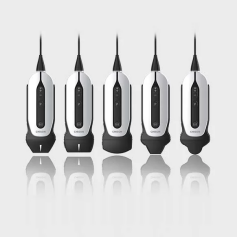
Handheld ultrasound systems are no longer viewed as secondary imaging devices. In many primary care environments, they are becoming frontline diagnostic tools.
The biggest advantage is flexibility. A handheld ultrasound scanner allows physicians to move directly between consultation rooms, emergency bedsides, outreach vehicles, and rural healthcare sites without relocating patients or reserving dedicated imaging rooms.
This workflow matters because most primary care clinics operate under tight space and staffing constraints. Portable ultrasound systems reduce infrastructure requirements while improving clinical responsiveness.
Modern handheld ultrasound devices also support:
· Wireless operation
· Smartphone and tablet connectivity
· AI-assisted scanning
· Cloud-based image sharing
· Remote consultation workflows
· Battery-powered mobility
These features make handheld ultrasound particularly attractive in healthcare systems expanding telemedicine and decentralized care.
CHISON Handheld Ultrasound Solutions are designed for these modern clinical environments. The product portfolio focuses on portability, workflow efficiency, and practical point-of-care imaging applications for outpatient healthcare providers.
For healthcare distributors, handheld ultrasound also creates faster market entry opportunities. Smaller clinics often approve compact imaging purchases more quickly than large capital equipment investments.
At the same time, buyers increasingly recognize that handheld ultrasound systems are most effective when aligned with specific clinical workflows. General screening, bedside assessment, and rapid triage are ideal applications, while advanced cardiovascular imaging may still require larger cart-based platforms.
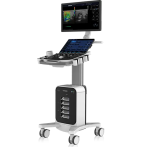
Although handheld ultrasound adoption continues growing, cart-based ultrasound systems remain critical in many outpatient healthcare environments.
Higher patient volume clinics often require stronger imaging capability, advanced Doppler functions, and broader multi-department support. In women’s health clinics, internal medicine centers, and multi-specialty outpatient facilities, image precision still directly affects diagnostic confidence.

Evaluation Area | Handheld Ultrasound | Cart-Based Ultrasound |
Mobility | Excellent | Moderate |
Initial Investment | Lower | Higher |
Imaging Complexity | Basic to Moderate | Advanced |
Point-of-Care Usage | Strong | Moderate |
Doppler Capability | Limited | Advanced |
Multi-Department Support | Flexible | Comprehensive |
Space Requirement | Minimal | Dedicated Area Needed |
Rural Healthcare Suitability | Excellent | Moderate |
High Patient Volume Support | Moderate | Strong |
CHISON Cart-Based Ultrasound Systems are developed for clinics and healthcare providers requiring stronger imaging performance while maintaining operational efficiency.
Many healthcare groups now use hybrid procurement strategies. Handheld ultrasound devices are deployed for frontline screening and mobility-focused applications, while cart-based systems remain central for advanced diagnostics.
Ultrasound procurement in primary care is no longer based only on image quality. Clinics increasingly evaluate how ultrasound systems fit into daily operational workflows.
Many outpatient facilities do not employ full-time sonographers. Ultrasound examinations are often performed by:
· General practitioners
· Internal medicine physicians
· Emergency clinicians
· Nurse practitioners
· Mobile healthcare teams
As a result, ease of use has become a major purchasing factor. Buyers want ultrasound systems that reduce training complexity and improve examination consistency.
AI-assisted ultrasound is becoming increasingly important because it supports:
· Automated measurements
· Simplified image optimization
· Guided scanning workflows
· Faster reporting
· Reduced operator dependency
This is particularly relevant in community healthcare environments where ultrasound users may not perform imaging full-time.
The shift toward digital healthcare infrastructure also affects procurement decisions. Clinics now ask whether ultrasound systems support:
· PACS integration
· Cloud storage
· Remote image sharing
· Telemedicine platforms
· Multi-site collaboration
For suppliers like CHISON, workflow integration has become just as important as hardware performance. Clinics want ultrasound systems that improve operational efficiency rather than functioning as isolated imaging equipment.
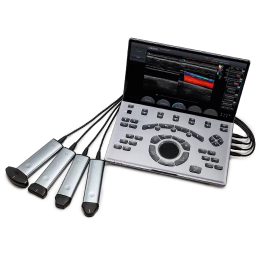
Healthcare decentralization is accelerating demand for portable ultrasound systems worldwide. Rural healthcare programs, mobile clinics, and temporary medical projects often require imaging systems that can operate independently from traditional hospital infrastructure.
Portable ultrasound systems are particularly valuable in regions where specialist access is limited. Clinicians can perform bedside imaging immediately and share results remotely with specialists if necessary.
This workflow reduces:
· Referral delays
· Patient transportation costs
· Emergency response time
· Diagnostic waiting periods
Healthcare Scenario | Why Portable Ultrasound Fits |
Rural clinics | Easy transportation and deployment |
Mobile healthcare units | Compact system design |
Elderly care facilities | Bedside imaging convenience |
Emergency triage stations | Rapid diagnostic support |
Temporary healthcare camps | Fast operational setup |
Home healthcare visits | Portable examination workflow |
CHISON Portable Ultrasound Systems are designed for healthcare environments where mobility and diagnostic practicality are equally important.
For distributors serving developing healthcare markets, portable ultrasound systems are becoming one of the fastest-growing product categories in outpatient imaging procurement.
For healthcare distributors and procurement managers, selecting the right ultrasound supplier involves more than comparing specifications.
Long-term supplier capability directly affects:
· Product reliability
· Technical support quality
· Delivery timelines
· OEM flexibility
· Training resources
· Market competitiveness
International buyers increasingly evaluate whether ultrasound manufacturers can support future healthcare expansion rather than only current purchasing needs.
CHISON Company Overview highlights the company’s focus on ultrasound innovation, global distribution, and long-term healthcare partnerships.
The company supports multiple ultrasound categories including:
· Handheld ultrasound
· Portable ultrasound
· Cart-based ultrasound
· Point-of-care ultrasound systems
Its global healthcare presence also supports distributors operating across multiple regional markets.
CHISON R&D Strength demonstrates continued investment in imaging technology, AI development, and ultrasound workflow optimization.
For many procurement teams, supplier stability is now considered a critical part of long-term purchasing strategy.

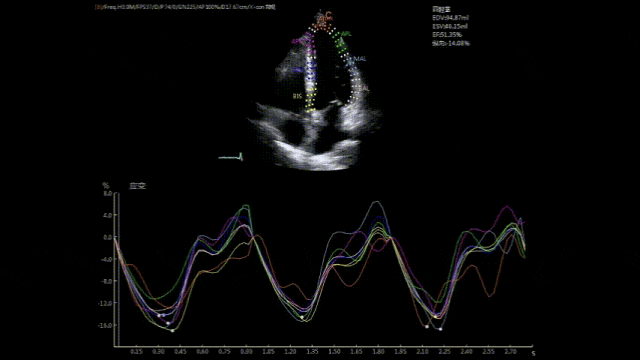
AI-powered ultrasound and telemedicine integration are becoming central factors in outpatient imaging procurement.
Primary care clinics increasingly want ultrasound systems that support decentralized healthcare delivery. This includes:
· Remote specialist consultation
· Cloud-based image sharing
· Multi-location collaboration
· AI-assisted scanning
· Automated workflow support
AI functionality is especially important in healthcare systems facing physician shortages and uneven access to imaging specialists.
Instead of depending entirely on operator experience, AI-assisted ultrasound systems improve consistency through:
· Anatomy recognition
· Automated measurements
· Image optimization guidance
· Simplified workflow navigation
These functions reduce training barriers for primary care physicians who may not perform ultrasound examinations daily.
For distributors and OEM partners, AI integration also improves product positioning in competitive healthcare markets where clinics increasingly prioritize workflow efficiency alongside imaging capability.
Contact Us
Copyright © CHISON Medical Technologies Co., Ltd. All Rights Reserved | Privacy and terms of use
Products: Vascular Ultrasound Machine MSK Ultrasound Machine Portable Ultrasound Device Portable Ultrasound Machine for Sale Portable Ultrasound Machine For Pregnancy Handheld Ultrasound For Pregnancy Handheld Veterinary Ultrasound Veterinary Ultrasound Machine Portable Vascular Ultrasound Livestock Ultrasound Machine

CHISON respects your privacy. We use cookies to make our site more personal and enhance your experience. Read our Private Policy to learn more about cookies and how to manage them. You agree to our use of these technologies when you visit our site.
We appreciate your feedback
We sincerely invite you to participate in our survey for helping us to improve our digital market.
*1.How fast does the website load?
*2.Does the products displayed on the website interest you?
*3.How easy is it for you to find the information you need?
4.What information or service do you suggest we can offer?

THANKS
Thank you for sharing your thoughts with us. We’re highly appreciated your every feedback.
Sorry!
THANKS
Thank you for sharing your thoughts with us. We’re highly appreciated your every feedback.
